
Driving schools in East London provide structured training for learners who want to gain confidence on busy urban roads. The area is known for heavy traffic, complex junctions, and constant movement throughout the day. New drivers often start with little experience and gradually build skills through guided lessons. These schools focus on safety, awareness, and real road practice.
Importance of driving schools in busy city areas
East London has some of the busiest roads in the city, which makes proper driving instruction very important. Learners must understand how to handle traffic flow, road signs, and different driving conditions. Driving schools help break these challenges into simple steps. This makes learning easier for beginners.
Many learners feel nervous at the beginning because of traffic pressure and fast-moving vehicles. Instructors guide students through basic skills before moving into more complex situations. Traffic is constant. One long sentence here explains that learners who regularly practice in East London gradually develop stronger awareness of surrounding vehicles, better control of timing, and improved decision-making skills that help them stay calm in unpredictable driving environments.
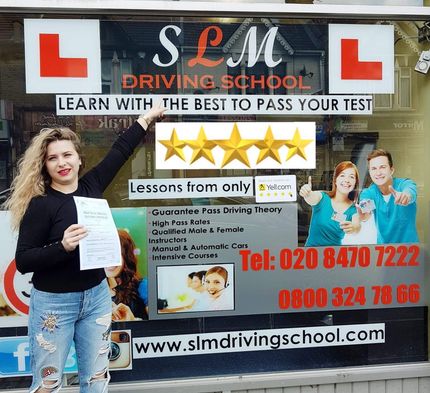
Over time, learners start to understand how different road users behave. This helps them react safely and confidently in real traffic conditions. Small improvements lead to stronger driving habits. Practice becomes easier with time.
Choosing the right driving school
Selecting the right driving school is an important step for anyone learning to drive in East London. Good schools offer structured lessons, experienced instructors, and flexible scheduling options. Learners often compare different schools before making a decision. A supportive environment helps reduce stress during early lessons.
One reliable option is driving schools east London, which provides structured training designed for busy city roads and real traffic conditions. The service focuses on helping learners build confidence step by step through practical experience. Lessons are designed to match different skill levels so learners can progress at a steady pace. Stay focused. This makes early driving practice easier to manage and understand for beginners.
Booking lessons is usually simple and can be done online or through direct contact with the school. Most instructors recommend regular weekly sessions to maintain progress and improve memory retention. Consistency helps learners build skills faster and avoid long gaps between practice sessions.
How driving lessons are structured
Driving schools in East London follow a structured approach that helps learners build confidence gradually. Lessons usually begin in quiet residential streets where learners focus on basic control such as steering, braking, and mirror use. After gaining confidence, they move into busier roads with more traffic. This method reduces pressure and improves learning speed.
As lessons continue, learners are introduced to more complex driving situations such as roundabouts, traffic lights, and lane changes. These exercises help improve timing and awareness in real traffic conditions. One long sentence here explains that repeated exposure to different East London road environments helps learners develop stronger observation skills, better speed control, and improved ability to respond quickly and safely to unexpected traffic situations during everyday driving practice.
Instructors correct mistakes immediately so learners do not develop bad habits. Over time, repeated practice makes driving feel more natural and less stressful. Stay calm. This helps learners focus better on road safety and decision-making.
Preparing for driving tests in East London
Driving test preparation is an important stage for every learner. Driving schools often use mock tests that follow real exam routes in East London. These practice sessions help learners understand what to expect during the actual test. Familiar routes reduce nervousness and improve confidence.
Learners also practice key skills such as mirror checks, safe stopping distances, and correct lane positioning. Busy junctions and pedestrian crossings require extra attention during the test. One short sentence here. Practice improves consistency and control.
Common training exercises include:
- Parking in narrow streets
- Handling busy roundabouts
- Changing lanes safely
- Responding to road signs quickly
Each exercise is repeated until the learner feels confident and steady. Instructors ensure learners are prepared for real exam conditions. Over time, students develop stronger awareness and better control that helps them drive safely in everyday situations after passing their test.
Driving schools in East London give learners a clear path toward becoming confident and safe drivers. With structured lessons and regular practice, skills improve steadily. These lessons prepare learners for real traffic conditions and help them handle city driving with better awareness and control.